
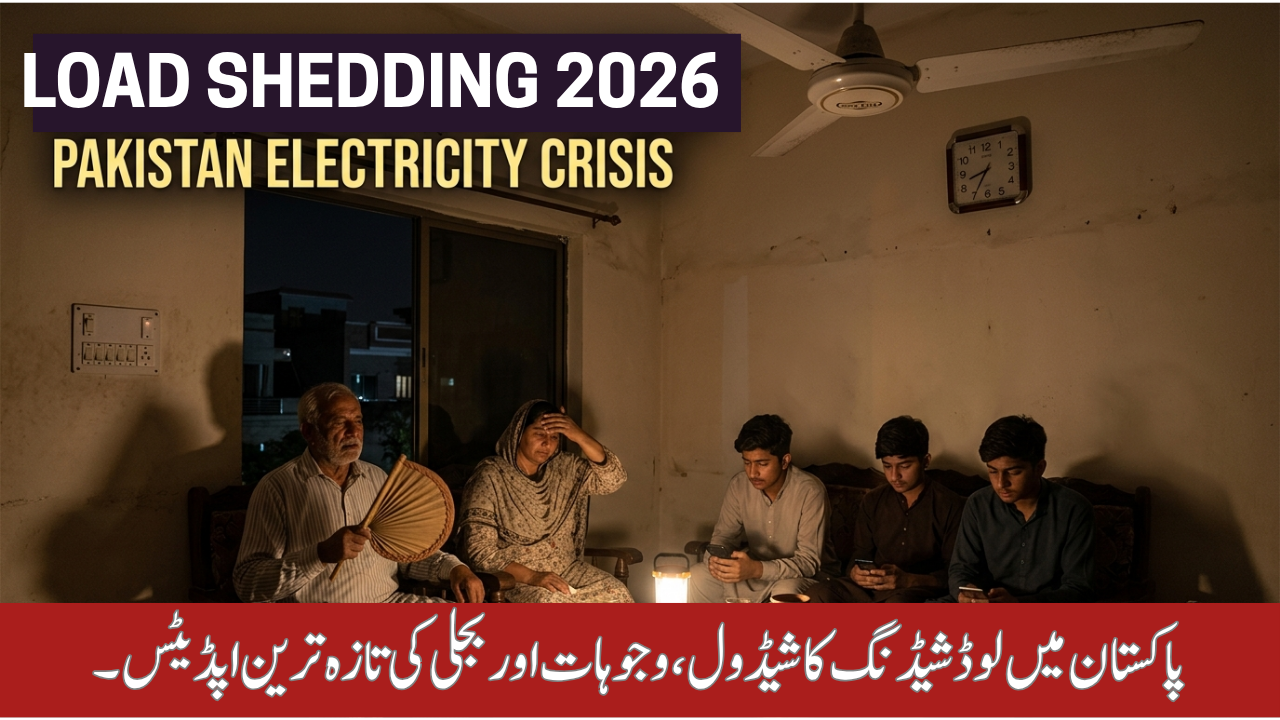
Load Shedding in Pakistan 2026 – Complete Guide, Schedule & Updates
Load Shedding in Pakistan remains one of the most discussed issues, especially during the summer season when electricity demand increases significantly. In 2026, many areas across the country are again facing scheduled and unscheduled power outages due to rising temperatures, increased electricity consumption, and energy supply challenges.
Load shedding refers to the deliberate shutdown of electric power in certain areas to prevent the entire power system from collapsing. While it helps manage the electricity grid, it creates difficulties for households, businesses, and industries.
What is Load Shedding?
Load shedding is a controlled power outage implemented by electricity distribution companies when demand exceeds supply. It is a common practice in countries facing energy shortages, including Pakistan.
In Pakistan, load shedding is managed by regional electricity distribution companies (DISCOs) under the supervision of the National Electric Power Regulatory Authority (NEPRA). Load Shedding in Pakistan
Reasons for Load Shedding in Pakistan
Several factors contribute to electricity shortages:
1. High Electricity Demand
During summer, the use of fans, air conditioners, and coolers increases sharply, leading to high demand.
2. Limited Power Generation
Hydropower production decreases when water levels are low, and thermal plants may face fuel shortages.
3. Circular Debt Crisis
Financial issues in the energy sector affect fuel supply and power production capacity.
4. Transmission Losses
Outdated infrastructure causes electricity loss during transmission.
5. Technical Faults
Grid failures, maintenance work, or unexpected breakdowns can cause power outages.
Load Shedding Schedule in Pakistan
Load shedding varies by region and feeder category:
- Urban areas: 2 to 6 hours daily
- Rural areas: 6 to 10 hours daily
Some areas with high recovery rates experience less load shedding, while high-loss feeders face longer outages.
Major Electricity Distribution Companies in Pakistan
These companies manage electricity supply:
- LESCO (Lahore)
- GEPCO (Gujranwala)
- FESCO (Faisalabad)
- IESCO (Islamabad)
- PESCO (KPK)
- HESCO (Sindh)
Each company provides feeder-wise load shedding schedules on their official platforms.
FOLLOW FOR NEW UPDATES:
WhatsApp’s Channel:
https://whatsapp.com/channel/0029Vb7MYua0gcfLWzto2T01
Facebook Page:
https://www.facebook.com/share/1BPh2YAJ3a/
How to Check Load Shedding Schedule
Follow these steps:
- Visit your electricity company’s official website
- Go to “Load Shedding Schedule” section
- Enter feeder or area name
- Check timing and updates
- Load Shedding in Pakistan
Impact of Load Shedding
Load shedding affects daily life in many ways:
- Disrupts business activities
- Affects students’ studies
- Causes discomfort during extreme heat
- Impacts healthcare and industries
Solutions to Reduce Load Shedding
The government and individuals can help reduce load shedding:
- Increase renewable energy (solar, wind)
- Improve power infrastructure
- Reduce electricity theft
- Promote energy conservation
- Use energy-efficient appliances
- Load Shedding in Pakistan
Official Website Links
- NEPRA Official Website: https://www.nepra.org.pk
- Ministry of Energy Pakistan: https://www.mowp.gov.pk
FAQs – Load Shedding in Pakistan
1. What is load shedding?
Controlled electricity shutdown to balance supply and demand.
2. Why does load shedding happen?
Due to high demand and low power generation.
3. How many hours of load shedding occur daily?
Usually 2–10 hours depending on area.
4. Which areas face more load shedding?
Rural and high-loss feeder areas.
5. How to check schedule?
Through electricity company websites.
6. Is load shedding same across Pakistan?
No, it varies by region and feeder.
7. Can solar energy reduce load shedding?
Yes, it helps reduce dependence on grid electricity.
8. What is circular debt?
Financial crisis in energy sector affecting power production.
9. Is government working to reduce load shedding?
Yes, through new energy projects and reforms.
10. What should I do during load shedding?
Use backup systems and conserve electricity.
Conclusion
Load Shedding in Pakistan 2026 continues to challenge both urban and rural communities. While it is necessary to manage electricity shortages, long-term solutions such as renewable energy, infrastructure improvement, and energy conservation are essential to overcome this issue. Public awareness and responsible electricity usage can also play a key role in reducing power outages.
Disclaimer
This article is for informational purposes only. Load shedding schedules and electricity policies may change based on government decisions and energy conditions. Always check official electricity company websites for accurate and updated information.